Plastics are amazing. They have transformed the world we live in, and are now embedded in everything we own, from plastic bottles to pens to phone parts to wall adapters, they are hard to avoid. They’re cheap and different polymers have many different mechanical and chemical structures, allowing them to be stretchy, stiff, inflatable, rigid, permeable, waterproof, etc. However, regardless of their practicality, we now understand them as one of the biggest pollutants in the world.
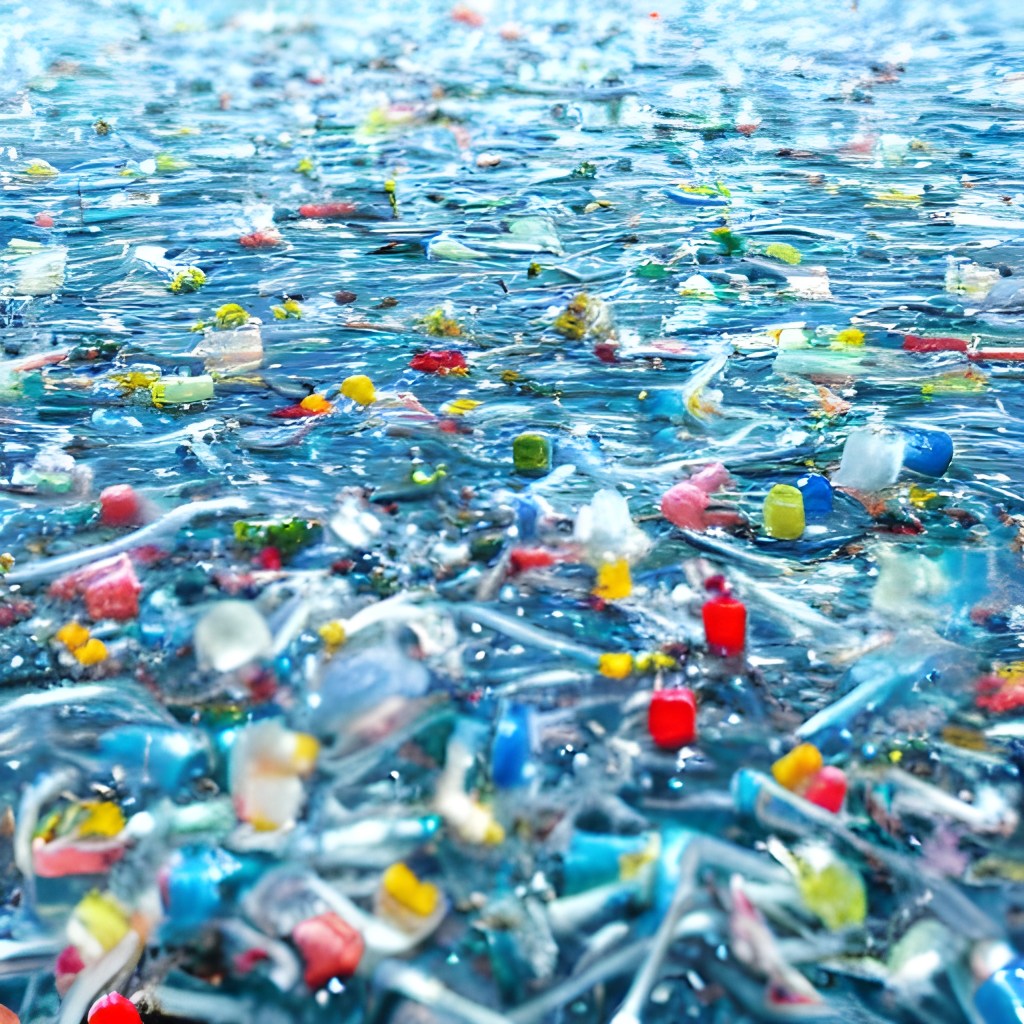
The estimate for global plastic waste is 400 million tonnes (metric), with 10 million of these ending up in the ocean1. This has led to the well-known images of floating plastic islands and a major contribution to the Great Pacific Ocean patch.
The main issue is that synthetic plastics do not decompose quickly and degrade into microplastics (MPs). MPs are small (<5mm length) and since their discovery, they have remained a prominent topic in conservation, environment and ecology. MPs have found their way into soils and aquatic systems, which are able to transport them from the origin of the plastic pollution. Organisations, such as Green Peace, have tested rivers in the UK and found that a wide majority of them contain MPs2.
Why are microplastics a problem? So what if they’re found in rivers or animals? Are they causing issues? Many may ponder these questions due to the topic being spoken about so often in the mainstream news. Yet it is important to understand that there has been research in vivo and in vitro on the topic. Hui Chen et al (2022) did in vitro digestion tests using the bacteria, Lactobacillus acidophilus. They exposed the bacteria to varying levels of different MP types and found a negative correlation between higher concentrations of MPs and growth 3. This means that this microbe, found in animal gut microbiomes, was inhibited by MPs. Furthermore, Yanping Zhao et al (2021) conducted in vitro studies on zebrafish, showing that higher ingestion of MPs altered the metabolism of the animals 4. Presence of MPs increased the metabolism of glycerophospholipids (which can cause oxidative damage) and decreased the metabolism of fatty acyls (which can cause nutrient defficiency. Thus, these studies show that microplastics are not benign and are likely to contribute to poor health outcomes of wild animals.
Since the increased awareness of the dangers of MPs and plastics in general, the UK has brought out many different pieces of legislation to reduce the country’s plastic pollution contribution. This was noted with the introduction of the 5p plastic bag fee (increased 10p), whereby consumers were forced to bring their own bag to carry shopping or incur a charge for individual single-use bags. More recently, the UK government press has released a report on the new legislation which will ban single-use plastic items after October 2023 5.
Whether it is capitalising on these new legislations or the care for ecology, many new start-ups and companies have begun research and development into new materials to replace synthetic plastics. The main aim is to create a material which can degrade fast and has limited impacts on life (being non-toxic). These include Biotic-Labs, Cysbio and Genecis.
A lot of development has gone into bio-plastics, plastics which have some biological component eg created by bacteria. There is a lot of secrecy surrounding these polymers, as companies want to retain the rights to capitalise on them. This article is a good review of many different bio-plasitc types. However, one well-known and understood bio-plasitc is BioPol (PHB or Polyhydroxybutyrate), which is a bio-polymer created by bacteria. BioPol is able to degrade fast into water and CO2 and can be sourced using renewable energy and materials, thus giving it the potential to be carbon neutral. However, since its discovery, there have been issues surrounding its production as it is far more costly than the synthetic, fossil fuel alternative. This is due to the bacteria used requiring vary high temperature to survive and reproduce. However, new innovation has led to thermophile bacteria (bacteria which require less heat) being identified to be able to produce BioPol. This could perhaps increase the viability of this polymer in production and reduce costs and barriers which it may have previously faced. However, BioPol does not fit the properties of every synthetic plastic currently available so more development into other bio-polymers must be done. Yet, it remains a strong competitor and is likely to become popular over the next few years.
It must be understood that plastics are not evil, they have revolutionised the world we are in. However, like the industrial revolution, this has impacted the environment heavily and is likely to continue if we do not innovate to find materials to replace them. BioPol and other bio-plastics seem to be a good start to this, but perhaps we should also look at reducing single-use products, moving to re-using rather than re-cycling. Yet, some things do need to be single use, eg sanitary products, and so this area of research requires more funding and innovation to reach the aim of the reducing plastic pollution.
References
1) https://denuo.be/sites/default/files/AF_Plastics_the_facts-WEB-2020-ING_FINAL.pdf
2) GreenPeace report on microplastics in oceans
5) UK Press report on new legislation banning single-use plastic items
6) Production of polyhydroxyalkanoates by the thermophile Cupriavidus cauae PHS1
 William Chipperfield
Leave a comment